Learning Center for Tax and Financial Insights

Stay updated with clear, actionable articles on tax rules, deadlines, deductions, and financial decisions that impact individuals and businesses.

No items found.

Crypto Tax Update: Get Ready for Form 1099-DA Changes

As tax regulations evolve, it's crucial to stay ahead of key changes impacting digital asset reporting. Our Coral Gables-based firm is here to keep you informed. With the introduction of Form 1099-DA taking effect in the 2025 tax year, significant shifts are on the horizon for crypto reporting. By early 2026, brokers will be responsible for sending these forms to both taxpayers and the IRS.

Image 2

Prior to this mandate, the reporting of digital asset transactions largely relied on taxpayer self-reporting, which often resulted in discrepancies and underreporting. This regulatory update aims to enhance transparency and accuracy in crypto transactions.

Explore More
No items found.

Unveiling the Reasons Profitable Businesses Struggle With Cash Flow

Running a profitable business yet feeling financially strained can be immensely frustrating for any entrepreneur.

Your books reflect profitability.
Sales are consistent.
Payments from clients are timely.

Yet, liquidity seems perpetually tight—sometimes uncomfortably so.

This discrepancy is real, not uncommon, and stems from a misalignment in timing, structure, and strategic foresight, silently working against otherwise thriving enterprises.

Understanding Profit vs. Cash Flow

Profit is an abstract accounting metric.
Cash flow is the lifeblood of operations.

A business can appear profitable on paper while experiencing cash shortages, often due to timing issues rather than revenue amounts.

Image 1

1. The Impact of Tax Timing

Taxes frequently cause financial shocks for profitable companies.

Common pitfalls include:

  • Quarterly tax estimates that miss the mark
  • Lump-sum tax obligations during low-revenue periods
  • Windfall income triggering unforeseen tax liabilities

If tax planning is only addressed during filing season, business owners end up responding to situations instead of proactively managing them, leading to a scenario where paper profits do not align with cash availability.

2. Debt Repayment and Its Hidden Costs

Debt seems manageable initially.

However, its invisible yet persistent drain includes:

  • Servicing loan principals
  • Paying interest
  • Underestimating revolving credit impacts
Image 2

Even "good debt" can pressure cash flow when repayments coincide with other liabilities like taxes and salaries. Such expenses often don't factor into operating costs like rent and wages do, skewing financial statements and underestimating their true impact.

3. Aligning Owner Compensation with Business Needs

Owners commonly compensate themselves from residual earnings, rather than a stable, sustainable model.

This can lead to:

  1. Underpaying oneself, concealing the business's true operational costs
  2. Overdrawing in lucrative months, instigating future financial strain

Poorly structured compensation introduces cash flow instability even for well-performing businesses.

4. Reevaluating Entity Structure's Role

Entity structures are often initially established and then left unchanged despite business evolution:

  • Dynamics in revenue and profit shifts
  • Role alterations of owners
  • Legal and tax law amendments
Image 3

An outdated entity structure can result in unnecessarily high taxes, ineffective income distribution, or missed strategic planning opportunities.

Why This Often Feels Complicated

Owners perceive this not as isolated issues but as:

  • Relentless vigilance over bank balances
  • Constantly questioning financial cushioning adequacy
  • Experiencing paper success but operational constraint

Such frustration typically indicates a business has surpassed reactive financial governance.

Proactive Planning Versus Reactive Responses

Reactive tax management looks back; strategic planning looks forward.
One narrates the past; the other paves the future.

Transitioning from reactive to proactive planning uncovers:

  • Advanced tax timing strategies
  • Stabilized ownership remuneration frameworks
  • Opportunities to optimize debt and entity structures
  • Enhanced clarity of genuine cash flow

This approach focuses more on alignment than aggressive fiscal maneuvers.

The Conclusion

When profitability doesn’t translate into financial flexibility, the core issue is often timing gaps, outdated structures, and neglected decisions.

Strategic planning illuminates these hidden pitfalls.

If you recognize these patterns, reach out to us at NR CPAs & Business Advisors. Shifting from a reactionary to a strategic approach can transform your perceived profitability into a tangible reality.

Explore More
No items found.

Unlocking Income Tax: Collaborating Effectively with Your Tax Advisor

Exploring the realm of taxes is often likened to mastering a new dialect—complicated, daunting, and occasionally, baffling. However, it needn't be this way. For many, the notion of income tax is synonymous with the pressures of tax season. Yet, grasping the fundamentals is vital for synergizing with your tax professional. Whether you're embarking on your career, launching a venture, or simply aiming to comprehend how your financial contributions to the government are calculated, this guide is designed to simplify income tax basics. By demystifying income tax, its computation, and factors influencing your tax liabilities or refunds, you can participate in more informed discussions with your tax consultant. Let’s unravel this process, so you can secure optimum outcomes when liaising with your tax expert. Note that specific business tax regulations for partnerships and corporations are omitted from this discussion.

Deciphering Individual Income Tax Brackets: Grasping Graduated Tax Rates, Average Tax Rate, and Their Influences

A cornerstone concept in income tax is understanding tax brackets and graduated tax rates. Initially, tax brackets might seem simple: earnings are taxed at distinct rates based on income levels. Nevertheless, the system is a bit more intricate.

Image 1

In a graduated tax system like that of the United States, earnings are segmented, with each segment taxed at varying rates. Consequently, only the income portion within a bracket is taxed at that bracket’s rate, not your entire earnings. Thus, high tax rates may sound alarming initially, but it's crucial to recognize that these apply solely to income within those elevated segments.

Moreover, comprehending the average tax rate is essential. The average tax rate depicts the percentage of total income paid in taxes, calculated by dividing the total tax by total income. This rate is generally much lower than the marginal tax rate, the rate on your last dollar of income.

Understanding these mechanisms underscores the value of deductions and income reductions. Missing out on a deduction or an income reduction doesn’t just impact your tax return—it can reduce taxable income in your highest bracket, directly affecting both your marginal and average tax rates. By understanding tax brackets, graduated rates, and average tax rates, you're well-prepared to maximize benefits when aligning with your tax professional.

Understanding Adjusted Gross Income (AGI) and its Function

Comprehending Adjusted Gross Income (AGI) is paramount for any taxpayer striving to maneuver through the tax landscape efficiently. AGI acts as a pivotal element in tax calculations—it represents total income post certain allowable deductions, like student loan interest, specific alimony payments, and retirement account contributions. AGI plays a critical role in dictating eligibility for various tax benefits, credits, and deductions.

Often, AGI serves as a benchmark to limit other tax advantages. Many deductions and credits phase out at varying income levels, with AGI setting these thresholds. Realizing your AGI can illuminate which tax benefits remain accessible and which slip away as income grows.

Besides AGI, Modified Adjusted Gross Income (MAGI) refines the tax perspective. MAGI starts with AGI and then reintroduces certain deductions—foreign income exclusions, interest from EE bonds for education expenses, or student loan interest deductions. MAGI often determines eligibility for supplementary tax credits or deductions not covered by AGI alone. Significantly, MAGI definitions might vary across different deductions requiring MAGI add-backs.

Choosing Between Standard and Itemized Deductions

In personal taxation, a key decision is between taking the standard deduction or itemizing personal deductions. Each choice comes with unique considerations and can drastically influence overall tax obligation.

The standard deduction is a fixed figure from the IRS, varying by filing status and age. It simplifies filing by lowering taxable income sans detailed records. This option benefits those with straightforward finances or without substantial expenses qualifying as itemized deductions.

Image 2

Conversely, itemizing involves listing allowable expenses like mortgage interest, state and local taxes, charitable contributions, and substantial medical costs. This can be advantageous if itemized deductions surpass the standard deduction, possibly reducing taxable income more substantially.

Beyond standard or itemized deductions, there are numerous additional deductions:
“Above-the-Line” Deductions, termed adjustments to income, subtracted from total income to calculate AGI. Beneficial since they lower AGI, enhancing other tax benefit eligibility, claimable regardless of standard or itemized deductions opted. Common examples include: educator expenses, HSA contributions, IRA contributions, student loan interest, and self-employment (SE) tax and SE health insurance deductions. Most entail specific dollar limitations.

“Below-the-Line” Deductions reduce taxable income but don’t influence AGI, distinct from above-the-line deductions. Examples include tips, overtime, auto loan interest deductions, and qualified business deductions. Again, each of these deductions has a dollar cap and can be claimed by both itemizers and non-itemizers.

Differentiating Tax Deductions and Credits

Understanding taxation requires grasping the distinctions between tax deductions and credits, each playing unique roles in shaping tax liabilities.

  • Tax Deductions: Lower taxable income, reducing income subject to tax, leading indirectly to lower tax owed. As noted, deductions classify into "above-the-line," influencing AGI, or "below-the-line," affecting income post-AGI.
  • Tax Credits: Directly reduce tax owed, offering dollar-for-dollar liability decreases, thus more valuable than equal deductions. Two main types exist: refundable and non-refundable.

    o Refundable Tax Credits: Credits exceeding liability are refunded—greater credit than liability results in refunds. A significant example is the Earned Income Tax Credit (EITC).

    o Non-Refundable Tax Credits: Can only zero out liability, with no refund on excess. Examples like the Child Tax Credit (partially refundable) and Lifetime Learning Credit exist, and excess non-refundable credit could carry over to succeeding years.

Taxable Income

Calculating taxable income involves commencing with yearly earnings—self-employment (net business-related), wages, bonuses, and other earned income, alongside unearned income like interest, dividends, stock sales, and net rental income. From this total, any adjustments to income (above-the-line deductions) are deducted to reach AGI.

From AGI, subtract below-the-line deductions, then choose between standard or itemized deductions. The result is taxable income.

Tax Liability

After establishing taxable income, tax liability bases itself on current rate schedules according to filing status. Unique rates might apply to gains from capital assets, like stocks held over a year.

Determining Tax Owed or Refund

Once tax liability is calculated, eligible tax credits reduce it directly. Subtract taxes paid through withholding or estimates, and the balance indicates refund or payment due.

Final Thoughts

This overview introduces fundamental principles in taxable income and tax liability determination. However, most returns are more intricate than they seem, potentially requiring more forms or schedules for handling specific issues such as credits, deductions, and particular income types. Each element can complicate the process, highlighting the importance of effectively partnering with a seasoned tax professional.

Image 3

Collaborating with our office ensures your financial landscape is fully considered, optimizing tax outcomes while maintaining adherence to ever-changing tax laws.

Explore More
No items found.

Reevaluating the Value of Your Tax Refund: A Strategic Guide

Many people experience a tax refund as a small triumph, almost like finding money in an old coat pocket. It seems delightful—tangible and immediate, a bit of an unexpected bonus at the start of the year. However, in reality, receiving a large tax refund might signal lost opportunities throughout the fiscal year.

In today’s constantly evolving tax landscape, shaped by adjustments to filing regulations and provisions affecting deductions, overtime, and more, proactive tax planning has never been more vital. Rather than a victory, a hefty refund might signal a disconnect in your tax strategy—and this is something you can address to ensure financial alignment moving forward.

Understanding the Core of a Tax Refund

At its essence, a tax refund indicates that you’ve overpaid your tax bill throughout the previous year. This scenario is commonly due to:

  • Excessive amounts being withheld from your paycheck
  • Estimated payments surpassing the actual tax liability
  • Life changes not being updated in tax forms and withholdings

Functionally, you’ve effectively provided the government with an interest-free loan over the past year, only to have it repaid later. While this can seem benign, it often comes at a hidden cost.

Image 3

Why Significant Refunds Represent Overlooked Opportunities

A substantial tax refund can mask more complex financial concerns that a mere summary number glosses over.

Timing of Cash Flow

The money withheld as taxes could've been instrumental for:

  • Reducing debt
  • Increasing savings
  • Managing rising expenses
  • Investing or earning interest

Optimizing the timing of these payments doesn't entail underpayment; instead, it means aligning payments closely with your actual tax responsibilities.

Image 2

Identifying and Addressing Planning Gaps

Large refunds often highlight overlooked steps in the tax planning process, such as failing to revisit withholdings amidst changes in income or personal status.

The Overlooked Step: Withholding Reviews

Many taxpayers set their withholding preferences once and seldom reassess them. However, adjustments should be made when:

  • Your income changes
  • Job transitions occur
  • Bonus, overtime, or tip income increases
  • Your filing status alters

With recent changes in the tax code affecting deductions and income taxation, reevaluating outdated withholding settings is essential.

Estimated Taxes: Not Solely for Entrepreneurs

Estimating tax payments isn't just the realm of business owners. It's pertinent when managing:

  • Additional sources of income like side gigs
  • Investment returns
  • Rental properties
  • Variable compensations such as bonuses

The aim is smart recalibration, not achieving perfect estimates, which can help avoid major refunds or penalties.

Life Alterations Should Instigate Tax Reconsiderations

Tax refunds are prevalent when significant life events occur without corresponding tax adjustments performed mid-year. Such events include:

  • Marriage or divorce
  • Adding a new dependent
  • Acquiring or selling a home
  • Receiving a substantial raise or changing jobs
  • Altered overall income situation

These changes impact taxes through shifts in withholding, credits, deductions, and overall exposure. Proactively managing these adjustments keeps surprises at bay.

Why Taking Action Now is Essential

With ever-evolving legislative changes to taxes, relying on settings from the past can be risky. Significant refunds often camouflage lost planning opportunities, veiling rather than highlighting actual tax efficiency.

Reevaluations ensure that cash flow mirrors real life, payments are accurately encapsulated, surprises are limited, and decisions are made proactively. If you routinely find yourself receiving sizable refunds or unexpectedly owe money during tax season, reach out to our Coral Gables office for a strategic appraisal. A timely check-in can offer better financial alignment, tailored to your lifestyle and earnings.

Image 1

Key Consideration

This article is crafted for educational purposes in personal finance. It should not replace professional legal or tax advice. Circumstances and tax laws evolve, and it’s wise to consult a qualified tax professional for advice tailored to your unique situation.

Explore More
No items found.

Poland's Tax Exemption for Parents: Global Implications

Poland has instituted a landmark tax reform that eliminates personal income tax for parents raising at least two children. This strategy aims to bolster family stability amidst a demographic downturn.

Under this progressive legislation, households with two or more children earning up to 140,000 zloty (approximately €32,900 or about $38,000 USD) annually will experience zero personal income tax. This dramatic reduction in tax liability positions Poland as a leader in family-centric fiscal policies in Europe for 2025–2026.

Image 1

Understanding the Law's Impact

Enacted by President Karol Nawrocki in October 2025, this law liberates parents from personal income tax (PIT) obligations if they meet the following conditions:

  • They are responsible for two or more dependent children and
  • Their annual income does not exceed 140,000 zloty.

Previously, all taxpayers in Poland were subject to income tax, notwithstanding minor family-related tax benefits. With this law, families with two children earning below the threshold no longer bear any tax burden; both parents may separately shelter earnings, cumulatively up to 280,000 zloty, enhancing their disposable income significantly.

Image 3

Eligibility Criteria and Rationale

Eligibility extends to biological and legal guardians, as well as foster parents, with dependent children up to age 18, or 25 if enrolled in full-time education, aligning with international standards on child-tax benefits. This wide-reaching policy underscores Poland's commitment to increasing its birth rate, addressing one of the nation’s critical demographic challenges.

President Nawrocki emphasizes that this policy will aid family finances and encourage population growth by reducing the cost of raising children. The commitment to family financial stability is consistent with practices in countries such as Hungary, which offers similar exemptions to multiparent families.

Image 2

Implications for Family Economics

For qualifying families, this tax relief could mean savings of thousands of zloty annually against PIT rates that traditionally float between 12% and 32%. Forecasts predict an average family might retain an additional 1,000 zloty monthly, offering profound relief for lower-income families.

While some critics mention potential drawbacks like reduced tax revenue or equity issues for families with fewer children, initial reactions among Poland’s young working families have been largely favorable due to the general economic strain felt across Europe.

International Comparisons and Insights for U.S. Stakeholders

Poland's initiative is a reference point for global family tax strategies, such as child allowances and childcare credits common in Western Europe. It showcases the utility of tax policy as a countermeasure to demographic and economic challenges, providing an instructive comparison for U.S tax professionals.

The implications for American tax policy are substantial, highlighting different approaches like the Child Tax Credit (CTC) over an outright tax exemption based on family size, as seen in Poland. Tax professionals should remain vigilant to these nuances as part of their strategic advisory process.

This law exemplifies how judicious tax policy can potentially reshape economic and demographic landscapes, reinforcing that fiscal policy serves broader national goals beyond mere revenue collection.

Explore More
No items found.

Key Reasons to File a Tax Return Even When It's Not Required

Even when federal tax filing obligations don't apply based on income thresholds, filing a tax return can unlock valuable financial benefits. At NR CPAs & Business Advisors, we emphasize the potential advantages for those who might otherwise bypass this pivotal financial document.

Although filing is mandatory only when income surpasses the standard deduction applicable to your filing status, there are compelling reasons to voluntarily submit a return. Foregoing this opportunity might mean missing out on substantial refundable tax credits such as the Earned Income Tax Credit (EITC) and the Additional Child Tax Credit, which could significantly enhance your financial outcomes.

Image 2

Moreover, electing to file can carry forward an array of tax benefits. This proactive step ensures that you maximize exclusions and deductions in future taxable years, optimizing your financial planning and liquidity. As business advisors rooted in Coral Gables, our expertise spans from personal tax preparation to fractional CFO services, adeptly guiding both individuals and businesses through complex tax landscapes.

Image 3

At NR CPAs, led by licensed CPA and Enrolled Agent Nischay Rawal, we deliver these insights alongside personalized guidance, ensuring that our clients benefit from both the depth of large-scale service offerings and the agility of boutique strategies. Whether you're seeking to claim credits missed previously or planning strategically for the future, our dedicated team stands ready to advise and support you in leveraging value from your tax filings.

Explore More
No results found.
Thank you! Your submission has been received!
Oops! Something went wrong while submitting the form.

Want tax & accounting tips & insights?Sign up for our newsletter.

Thank you! Your submission has been received!
Oops! Something went wrong while submitting the form.

Why Work With Us?

We combine deep tax expertise, financial strategy, and practical business insight to help you manage complexity, stay compliant, and make confident financial decisions.
A dollar sign, representing financial advice or discussion at NR CPAs & Business Advisors.

Experienced CPA and Enrolled Agent Leadership

Guidance led by licensed professionals with deep expertise in tax strategy, compliance, and complex financial matters.
White bar chart with an upward arrow on green circular background representing growth or progress at NR CPAs &. Business Advisors

Support for Growing Businesses and Startups

We understand the financial challenges of growth stage businesses and provide structured guidance to support expansion.
A white hand holding a dollar symbol and ascending bar chart on a green circular background representing financial growth or investment at NR CPAs & Business Advisors..

Strategic Financial Advisory

Our team helps you evaluate financial decisions with greater clarity, supported by practical insights and long term planning.

Fractional CFO Support

Access experienced financial leadership without the commitment and cost of hiring a full time Chief Financial Officer.

Proactive Tax Planning Approach

We focus on identifying tax opportunities throughout the year rather than reacting only during filing season.

Clear and Reliable Financial Reporting

Accurate financial statements and reporting that help you better understand performance and make informed decisions.
White IRS building icon with pillars and a dollar sign above on a green circular background.

Professional IRS Representation

Experienced support in resolving IRS notices, disputes, and compliance matters while protecting your financial interests.

Personalized Client Focus

Every client receives thoughtful attention and tailored financial solutions based on their specific needs and business goals.
Financial matters often involve important decisions. Working with experienced advisors can help you approach them with greater clarity and confidence in your choices.

Need Help With Your Tax or Financial Decisions?

Discuss your situation with our advisors to get clear guidance on tax planning, IRS matters, and the financial decisions ahead.
Business consulting at NR CPAs & Business Advisors.

Request Your Consultation

Fill out the form to discuss your tax concerns, financial questions, or advisory needs with our team. We will review your details and respond shortly.

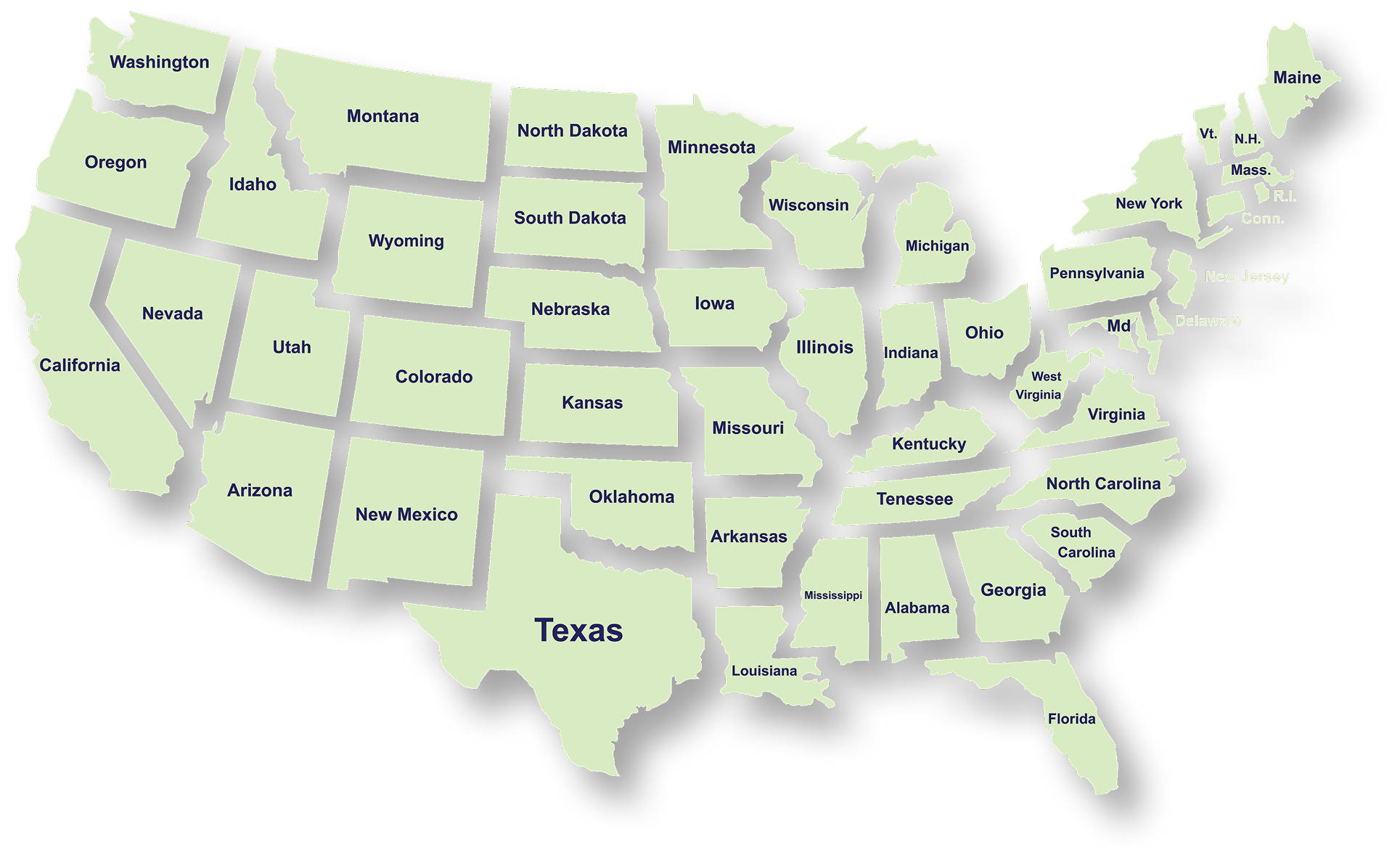
Serving Businesses & Individuals Across USA

We handle accounting, tax filing, and planning with defined timelines and accurate reporting for businesses and individuals across all states.

Frequently Asked Questions

What services does NR CPAs & Business Advisors provide?
What is tax planning and why is it important for businesses?
How can a Virtual CFO help my business?
When should a business consider IRS tax resolution services?
What financial statements does a business typically need?
How can startup advisory services help new businesses?
What is strategic business planning?
What is a Virtual Family Office and who can benefit from it?