%201.png)


.png)
.png)


Tax Planning Support for Individuals and Businesses in USA
%201%20(1).png)


Licensed CPAs and Enrolled Agents recognized by leading professional accounting bodies






Nischay Rawal
How We Help You Plan and Manage Your Taxes More Effectively

How Our Tax Planning Services Support Your
1
Reduced Tax Exposure
2
Better Financial Clarity
3
Improved Decision Making
4
Long-Term Financial Alignment
5
Organized Financial Structure
6
Year-Round Planning Approach
What Our Clients Say


.png)
Michael Rodriguez

Sarah Patel
.png)
Daniel Thompson
.png)
Jennifer Brown
.png)
Anthony Carter
.png)
Rachel Kim
.png)
David Brooks
Why Work With Us?

Experienced CPA and Enrolled Agent Leadership
.png)
Support for Growing Businesses and Startups
.png)
Strategic Financial Advisory
.png)
Fractional CFO Support
.png)
Proactive Tax Planning Approach
.png)
Clear and Reliable Financial Reporting
.png)
Professional IRS Representation
.png)
Personalized Client Focus
Need Help With Your Tax or Financial Decisions?

Request Your Consultation in USA
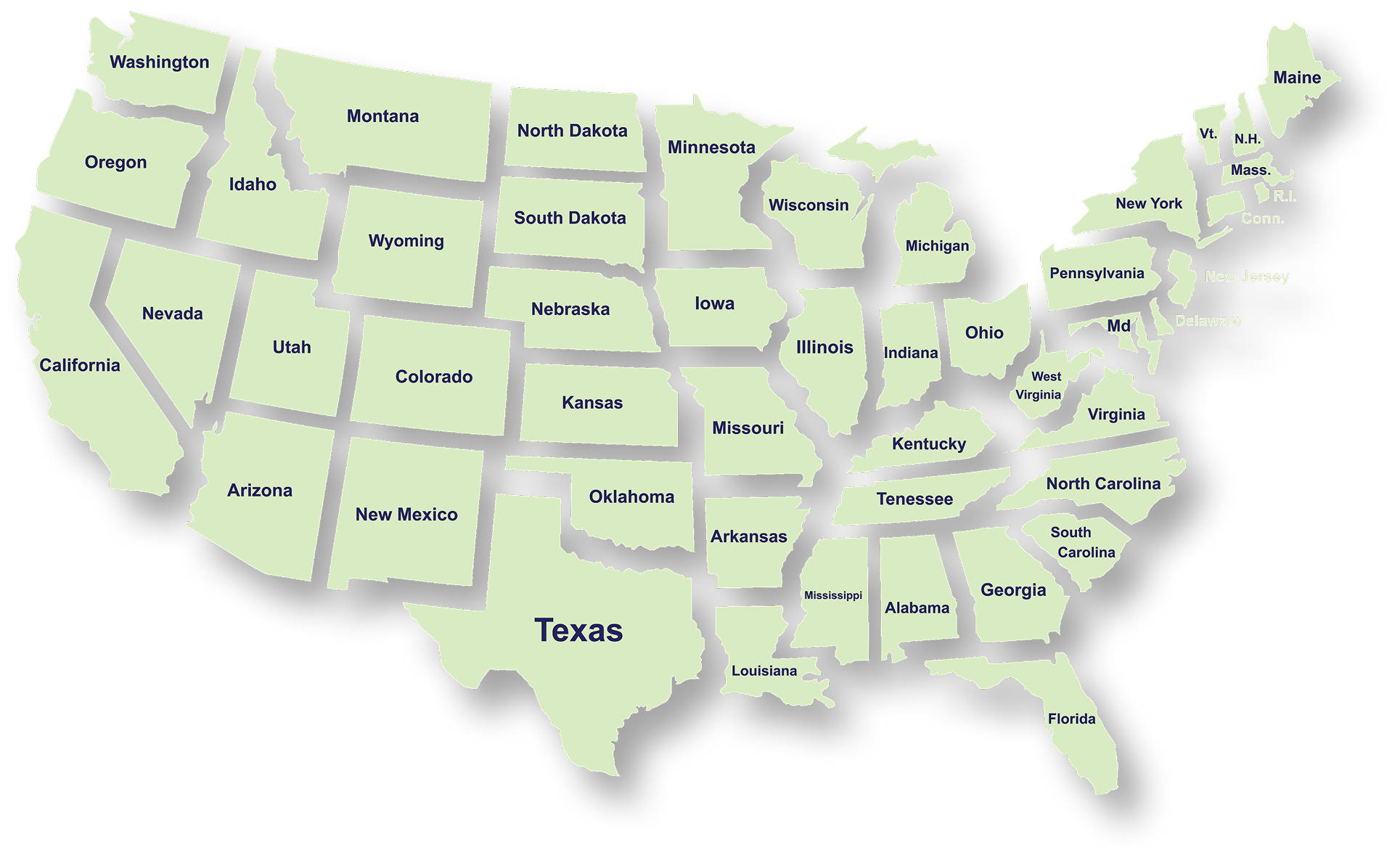
Serving Businesses & Individuals Across USA
Tax and Financial Insights
by NR CPAs & Business Advisors
Tax and Financial Insights by NR CPAs & Business Advisors


2026 IRS Mileage Rates: Key Updates and Insights
The IRS has rolled out the inflation-adjusted mileage rates for 2026, offering taxpayers an efficient way to claim deductions for vehicle-related expenses incurred for business, charity, medical, or moving purposes. These adjustments reflect the continued economic shifts impacting car operation costs.
Effective January 1, 2026, the new standard mileage rates are established as follows:
- Business Travel: Increased to 72.5 cents per mile, inclusive of a 35-cent-per-mile depreciation allocation. This marks a rise from the 70 cents per mile rate set for 2025
- Medical/Moving Purposes: Reduced slightly to 20.5 cents per mile, down from 21 cents in the previous year, reflecting the variable cost considerations.
- Charitable Contributions: Consistent at 14 cents per mile, a fixed rate unchanged for over a quarter-century.
As is typical, the business mileage rate considers the integral fixed and variable costs of automobile operation. Meanwhile, the medical and moving rates remain contingent on variable expenses as determined by the IRS study.

It is critical to note that the One Big Beautiful Bill Act (OBBBA) held firm on disallowing moving expense deductions except for specific cases within the Armed Forces and intelligence community, marking a substantial shift since 2017.
When engaging in charitable work, taxpayers might opt for a direct expense deduction over the per-mile method, covering gas and oil costs. However, comprehensive upkeep and insurance costs are non-deductible expenses.
Business Vehicle Use Considerations: Taxpayers can alternatively compute vehicle expenses using actual costs, which might benefit from shifting depreciation rules, particularly through bonuses and first-year advantages. Keep in mind, however, reverting from actual cost calculations to standard rates in subsequent years is restricted, particularly per vehicle protocol and when exceeding four vehicles in concurrent use.

Additionally, parking, tolls, and property taxes attributable to business can be deducted independently of the general rate, an often-overlooked advantage by many business owners.
Tax Strategies for Employers and Employees: Reimbursements based on the standard mileage framework, providing the right documentation is in place, remain tax-free for employees. Meanwhile, the elimination and continued prohibition of unreimbursed employee deductions continue, with particular exceptions offered to qualified personnel across specific occupations.
Opportunities for Self-employed Individuals: Entrepreneurs remain eligible for deductions on business-related vehicle use via Schedule C, with potential to account for business-use interest on auto loans.

Heavy SUVs and Deduction Advantages: Heavier vehicles exceeding 6,000 pounds but under 14,000 pounds open opportunities for substantial tax deductions through Section 179 and bonus depreciation avenues. The lifecycle of such a vehicle bears implications on recapturing initially claimed deductions, urging cautious tax planning.
For professional guidance on optimizing your vehicle-related tax deductions and understanding their implications on tax strategies, contact our office in Coral Gables, Florida, where expert advice and strategic insights are just a call away.

Educator's Deduction Reform: Key Changes Under OBBBA
The One Big Beautiful Bill Act (OBBBA) introduces significant enhancements for educators' tax deductions starting in 2026, offering both strategic opportunities and planning considerations for educators who qualify. With the reinstated itemized deduction for qualified unreimbursed expenses, educators have a broader spectrum of financial relief. This is complemented by the retention of the $350 above-the-line deduction, allowing educators to maximize their tax benefits by selectively allocating expenses between these avenues.
Understanding the nuances of these changes is crucial for educators and financial advisors alike. The dual-option deduction strategy can potentially enhance tax efficiency, thereby aligning with broader financial planning goals.

At NR CPAs & Business Advisors, based in Coral Gables, Florida, our expertise in tax preparation and planning provides invaluable support to educators navigating these changes. Our comprehensive approach, combined with personalized advice from our experienced team, ensures compliance and optimization in line with the latest tax legislations.
Given these updates, it is imperative to engage with seasoned professionals to fully leverage your deduction strategies. Contact us today to streamline your tax planning under OBBBA's new guidelines and maximize your deductions for upcoming tax years.

Frequently Asked Questions

.png)