Learning Center for Tax and Financial Insights

Stay updated with clear, actionable articles on tax rules, deadlines, deductions, and financial decisions that impact individuals and businesses.

No items found.

2026 IRS Mileage Rates: Key Updates and Insights

The IRS has rolled out the inflation-adjusted mileage rates for 2026, offering taxpayers an efficient way to claim deductions for vehicle-related expenses incurred for business, charity, medical, or moving purposes. These adjustments reflect the continued economic shifts impacting car operation costs.

Effective January 1, 2026, the new standard mileage rates are established as follows:

  • Business Travel: Increased to 72.5 cents per mile, inclusive of a 35-cent-per-mile depreciation allocation. This marks a rise from the 70 cents per mile rate set for 2025
  • Medical/Moving Purposes: Reduced slightly to 20.5 cents per mile, down from 21 cents in the previous year, reflecting the variable cost considerations.
  • Charitable Contributions: Consistent at 14 cents per mile, a fixed rate unchanged for over a quarter-century.

As is typical, the business mileage rate considers the integral fixed and variable costs of automobile operation. Meanwhile, the medical and moving rates remain contingent on variable expenses as determined by the IRS study.

Image 1

It is critical to note that the One Big Beautiful Bill Act (OBBBA) held firm on disallowing moving expense deductions except for specific cases within the Armed Forces and intelligence community, marking a substantial shift since 2017.

When engaging in charitable work, taxpayers might opt for a direct expense deduction over the per-mile method, covering gas and oil costs. However, comprehensive upkeep and insurance costs are non-deductible expenses.

Business Vehicle Use Considerations: Taxpayers can alternatively compute vehicle expenses using actual costs, which might benefit from shifting depreciation rules, particularly through bonuses and first-year advantages. Keep in mind, however, reverting from actual cost calculations to standard rates in subsequent years is restricted, particularly per vehicle protocol and when exceeding four vehicles in concurrent use.

Image 2

Additionally, parking, tolls, and property taxes attributable to business can be deducted independently of the general rate, an often-overlooked advantage by many business owners.

Tax Strategies for Employers and Employees: Reimbursements based on the standard mileage framework, providing the right documentation is in place, remain tax-free for employees. Meanwhile, the elimination and continued prohibition of unreimbursed employee deductions continue, with particular exceptions offered to qualified personnel across specific occupations.

Opportunities for Self-employed Individuals: Entrepreneurs remain eligible for deductions on business-related vehicle use via Schedule C, with potential to account for business-use interest on auto loans.

Image 3

Heavy SUVs and Deduction Advantages: Heavier vehicles exceeding 6,000 pounds but under 14,000 pounds open opportunities for substantial tax deductions through Section 179 and bonus depreciation avenues. The lifecycle of such a vehicle bears implications on recapturing initially claimed deductions, urging cautious tax planning.

For professional guidance on optimizing your vehicle-related tax deductions and understanding their implications on tax strategies, contact our office in Coral Gables, Florida, where expert advice and strategic insights are just a call away.

Explore More
No items found.

Educator's Deduction Reform: Key Changes Under OBBBA

The One Big Beautiful Bill Act (OBBBA) introduces significant enhancements for educators' tax deductions starting in 2026, offering both strategic opportunities and planning considerations for educators who qualify. With the reinstated itemized deduction for qualified unreimbursed expenses, educators have a broader spectrum of financial relief. This is complemented by the retention of the $350 above-the-line deduction, allowing educators to maximize their tax benefits by selectively allocating expenses between these avenues.

Understanding the nuances of these changes is crucial for educators and financial advisors alike. The dual-option deduction strategy can potentially enhance tax efficiency, thereby aligning with broader financial planning goals.

Image 1

At NR CPAs & Business Advisors, based in Coral Gables, Florida, our expertise in tax preparation and planning provides invaluable support to educators navigating these changes. Our comprehensive approach, combined with personalized advice from our experienced team, ensures compliance and optimization in line with the latest tax legislations.

Given these updates, it is imperative to engage with seasoned professionals to fully leverage your deduction strategies. Contact us today to streamline your tax planning under OBBBA's new guidelines and maximize your deductions for upcoming tax years.

Image 2

Explore More
No items found.

Key 2025 Tax Reforms: Impact on Individuals and Businesses

The onset of the 2025 tax season brings significant changes as taxpayers nationwide seek to understand the impacts of the One Big Beautiful Bill Act (OBBBA). This transformative legislation ushers in a swath of new measures directly affecting everyone—from individual taxpayers to families and small business owners. Whether it's modifications in child tax credits or redefined deduction criteria, the OBBBA sets out to streamline tax preparation for Americans. In this article, we decode these pivotal provisions, enabling you to navigate the changes effectively and prepare for a more strategic tax season.

Image 1

Before diving into the changes taking effect in 2025, it’s crucial to grasp the concept of Adjusted Gross Income (AGI). AGI forms the cornerstone for many new tax provisions by outlining total income minus specific deductions. Additionally, Modified Adjusted Gross Income (MAGI) includes certain income exclusions to determine eligibility for tax credits and deductions, particularly when a provision phases out at higher income levels.

The upcoming reforms are a blend of permanent and temporary measures designed to enhance financial strategies across demographics:

Senior Deduction: Eligible seniors aged 65 or older may claim a $6,000 deduction between 2025 and 2028, phased out beyond specified MAGI thresholds. This benefit is accessible to both itemizers and standard deduction filers.

No Tax on Tips: For occupations traditionally receiving tips, a deduction of up to $25,000 is available annually from 2025 through 2028, subject to phase-out based on AGI limits, providing a substantial advantage for qualifying employees and their employers.

No Tax on Qualified Overtime: Overtime remuneration gains a new deductible status, capped at $12,500 ($25,000 for married filing jointly), offering individuals significant savings opportunities when managed wisely.

The OBBBA also broadens the scope of deductions and credits:

Vehicle Loan Interest Deduction: Interest on loans for U.S.-assembled personal-use vehicles can be deducted, with phase-outs promoting equitable access.

Image 2

Enhanced Adoption Credit: This sees a significant boost, with a $17,280 credit and a new refundable component, aiding adoptive families financially.

Ending certain environmental tax credits while amplifying others, the OBBBA tweaks sustainability strategies. Electric vehicle credits will cease after September 2025, while residential energy incentives wind down by year's end.

State and Local Tax (SALT) Deduction: The deduction limit escalates to $40,000, though phased down at higher income levels, balancing fiscal equity and relief.

For businesses, notable changes empower growth:

Expanded Sec 529 Plans: With Section 529 plans extending to cover a broader range of educational expenses, families can refine educational savings strategies.

Boost to Qualified Small Business Stock: Enhanced exclusions of up to 100% for gains, with inflation-adjusted caps, bolster investment incentives.

Image 3

Both our individual and business clients at NR CPAs & Business Advisors in Coral Gables will feel the breadth of these reforms. Our expertise ensures that clients optimize both longstanding benefits and new opportunities, steering them towards effective financial strategies amid these tax transformations.

As an integral advisory partner, our firm remains dedicated to accurately interpreting these changes, equipping you with the insights necessary to craft robust financial strategies. Let us guide you through the evolving tax landscape, so you can secure your financial future with confidence.

Explore More
No items found.

Prepare for Tax Season: Key Updates and Strategies for 2025

As tax season approaches, it’s crucial to begin organizing your financial documents for your upcoming tax appointment, whether it's in person, via videoconference, or by phone. The ease of this task largely hinges on your record-keeping habits throughout the year. Regardless of your record organization, thorough preparation enables us to:

  • Identify every possible legal deduction,
  • Determine the most beneficial income reporting methods and deductions for your situation,
  • Evaluate recent legal changes affecting your tax status, and
  • Discuss tax-planning strategies that could reduce future liabilities.
Image 1

New Tax Changes in 2025 – This year brings notable updates from the One Big Beautiful Bill Act (OBBBA), including:

  • No Tax on Tips: A deduction of up to $25,000 for qualified cash tips is available for customary tipped occupations, phasing out for singles over $150,000 and joint filers above $300,000 AGI. Employers will list these tips on a W-2 or separate statement in 2025.
  • No Tax on Qualified Overtime: A deduction up to $12,500 ($25,000 for joint filers) for qualifying overtime. The BAM phase begins at $150,000 for singles and $300,000 for married filers.
  • Vehicle Loan Interest Deduction: Taxpayers can deduct up to $10,000 in interest on loans tied to new personal-use vehicles, phasing out for certain income levels.
  • SALT Deduction Limit: Increased to $40,000, phasing down to $10,000 for higher earners above $500,000 MAGI.
  • Super Retirement Catch-Up: Individuals aged 60 to 63 can contribute significantly more to qualified plans starting in 2025.
  • Child Tax Credit: Raised to $2,200 ($1,700 refundable) for dependents under 17, with adjusted phase-out thresholds.
  • Adoption Credit: A new refundable component was added, with the credit standing at $17,280 for 2025.
Image 2

Optimizing Your Tax Planning – Your tax filing is more than numbers; it’s a careful choice of how income and deductions are managed. For instance:

  • Property Sales: Opt to report the entire gain in the sale year or spread it across multiple years.
  • Depreciation Options: Make strategic choices between deducting a business asset's full cost upfront or over its useful life.

Starting Your Tax Preparation – Begin collecting necessary records in early January, using an organized system to efficiently manage document receipt and ensure thorough preparedness when your appointment approaches. Electronic documents may need physical prints, unless otherwise advised by your tax advisor. For smooth processing:

  • Organize receipts and records by category—medical, mortgage, donations, etc. Complete any organizer or questionnaire from your CPA attentively.
  • Highlight foreign bank accounts, financial accounts, or trusts with your accountant.
  • Note cryptocurrency transactions and other digital assets, reported this year via Form 1099-DA.
Image 3

Accuracy and Updates – Ensure all personal information is current, from Social Security numbers to address changes. If your marital status changed, share details with your advisor for accurate filings. For those with dependents, confirm all qualifying information is ready, particularly for non-child dependents who may qualify under specific conditions.

Explore More
No items found.

IRS Faces Legal Challenge: Can Pets Be Tax Dependents?

If the thought of your pet’s yearly vet bills, grooming salon charges, daycare fees, and unique food expenses has ever prompted you to consider them as a dependent, you’re not navigating this alone. One astute lawyer has taken this sentiment to a federal courtroom to potentially change tax policy.

Image 1

In December 2025, attorney Amanda Reynolds from New York initiated a legal battle against the IRS, petitioning the court to acknowledge her eight-year-old golden retriever, Finnegan, as a legitimate dependent for federal tax purposes.

Despite its seemingly whimsical nature, this case addresses a pressing tax dilemma pondered by many: Are there existing tax deductions for pet expenses? If not, why?

Below we delve into this unique case, unpack the stipulations of tax law, and highlight when the IRS allows animal-related tax deductions.

The Legal Argument: “My Dog Fits the Criteria”

Reynolds asserts in her legal filings that Finnegan satisfies the IRS’s dependent criteria by virtue of:

  • residing with her 24/7,
  • lacking personal income, and
  • her financial support exceeding $5,000 annually, covering his sustenance, medical provisions, and daycare.

A national news piece detailing the legal complaint features Reynolds’s argument: “For practical purposes, Finnegan parallels a daughter and certainly fits the ‘dependent’ label,” in her declaration.

Further, Reynolds is advancing constitutional claims, positing that existing regulations unjustly differentiate between dependents based on “species,” raising Equal Protection issues, and suggesting that the absence of tax recognition constitutes an unconstitutional “taking” under the Fifth Amendment.

Image 2

Current Progress of the Case

The proceedings are underway in the U.S. District Court for the Eastern District of New York, but developments have been slow.

The discovery stage is currently paused due to a stay granted by a federal magistrate judge, as the IRS compiles a motion to dismiss.

The court order describes this lawsuit as posing a “novel but pressing issue” regarding whether companion animals can be classified as “dependents” under the tax framework. However, the court also acknowledges the significant obstacles the claims appear to face, noting these are “unmeritorious at first sight” and likely to not withstand dismissal motions.

In essence: the case is authentic, in motion, and garnering attention, but the court’s initial perspective suggests a challenging path forward.

Why Federal Tax Law Excludes Pets as Dependents

The fundamental problem for this lawsuit is that tax code recognizes dependents as “individuals.”

Under Internal Revenue Code Section 152, a dependent qualifies as a “qualifying child” or “qualifying relative,” but the term “individual” has traditionally denoted a human entity.

This is why IRS paperwork does not provide an option for adding a pet as a dependent. Dependents require Social Security Numbers or taxpayer identification numbers, and related credits and deductions are constructed around human familial and household relationships.

Thus, while Reynolds argues that Finnegan meets the functional dependent criteria (residency and financial support), the tax system does not categorize animals as dependent “individuals.”

Existing Tax Benefits for Pet Owners

Although routine pet expenses are generally nondeductible, there are exceptions worth noting for tax planning strategies.

1) Service animals can qualify for medical expense deductions

If an animal is a trained service companion assisting someone with a disability, associated expenses may qualify as medical costs when itemized.

The IRS clarifies that deductible medical expenses must surpass the applicable AGI threshold. In this context, expenses related to acquiring and maintaining a service animal may qualify when linked to medical care.

Important Distinction: Emotional support animals typically do not meet the federal criteria for service animals; service animals are specifically trained for disability-related tasks.

2) Business animals may be considered a business expense

Animals involved in legitimate business functions—such as a:

  • guard dog protecting a business property, or
  • animals employed for pest management purposes in a commercial setting.

In these cases, maintenance costs might be valid business expenses, but must be well-documented with relevant business justification.

3) Fostering animals aligns with charitable deductions

Taxpayers fostering animals on behalf of qualifying nonprofits might be eligible to deduct certain unreimbursed expenses as charitable donations, adhering to strict guidelines and record-keeping.

Image 3

Implications for Taxpayers

Many can relate emotionally to this lawsuit: pets occupy a familial role for many, and their upkeep costs are genuine. However, tax law is built on precise definitions, not feelings.

Currently:

  • Pets cannot be filed as dependents on federal tax returns.
  • Routine pet expenses like food, grooming, and vet visits remain personal expenditures, and thus nondeductible.
  • Some animal-related expenses qualify under specific conditions such as service animals, particular business-related, and fostering charitable deductions.

The outcome of Reynolds's litigation is worth watching—not because experts expect changes to IRS policy soon, but for the spotlight it puts on how tax codes still draw sharp lines between "family" and "property," despite evolving household dynamics.

Finally, it serves as a reminder: always verify what the IRS recognizes for deductions to avoid assumptions based purely on sentiment.

Explore More
No items found.

Navigating the Tax Maze: Gen X in Focus

Picture this: your weekday afternoon is packed. You're managing work emails, tackling college forms, and handling your parent's request for help. Later, you might squeeze in a workout, check bills, or finally glance at those untouched retirement accounts. Sound familiar? You're part of a generation that's juggling more than most—Gen X—and the tax system reflects that complexity.

Income Peaks and Heightened Responsibilities

For Gen X households, income levels often reach new highs, representing years of career dedication. Unfortunately, this financial growth brings along some challenges:

  • Higher marginal tax rates
  • Phaseouts of key credits and deductions
  • Potential surprise tax liabilities from under-withholding

At this stage, continuing past tax strategies can lead to unexpected outcomes. Methods that worked decades ago might be less effective now, requiring a proactive approach.

Image 2

The Intersection of Education Costs and Taxes

Nurturing college plans doesn't happen overnight; it quietly creeps in. From test prep to tuition discussions, the financial reality becomes increasingly palpable. Gen X families find their educational planning intertwining with tax challenges:

  • Ineligibility for certain education credits due to income
  • Misalignment of 529 plans with cash flow needs
  • Education expenses overshadowing retirement savings

Without strategic planning, many end up shouldering more tax while struggling to meet educational objectives.

Image 3

Complexities of Parent Care

Assisting aging parents typically starts small, but can escalate. From occasional support to more significant financial aid, these responsibilities weigh heavily on tax planning:

  • Determining dependency status
  • Influencing filing status
  • Deciding on medical expense deductions
  • Long-term financial impacts

Gen X households often miss these tax implications until opportunities diminish.

Retirement is Approaching

For Gen X, retirement is no longer a distant concept. Considerations include:

  • Importance of catch-up contributions
  • Navigating between tax-deferred and tax-free savings
  • The shrinking window for course correction

This phase of life is where tax planning shifts from compliance to opportunity maximization.

The True Constraint: Time

Gen X's barrier to effective tax planning isn't motivation—it's time. Between balancing work, family, and life, planning gets deferred. However, proactive planning is rewarded, and missed opportunities often link back to misaligned timing and coordination.

Why Planning is Crucial Now

Tax planning for Gen X is about syncing taxes with peak earning years:

  • Aligning with financial peaks
  • Integrating education and retirement objectives
  • Minimizing financial surprises
  • Creating financial stability

This life stage, though demanding, offers potential for clarity with strategic planning.

The Bottom Line

Gen X is a generation under immense pressure, with the tax system echoing this strain. Strategic tax planning can help ensure that income works efficiently towards vital goals, minimizing added stress. If this resonates, contact our office for a tax check-in to add certainty and focus to this demanding chapter.

Important Note

This article is for educational purposes only. It is not tax or legal advice. Tax laws change, and individual circumstances vary. Consult a qualified tax professional for guidance tailored to your situation.

Explore More
No results found.
Thank you! Your submission has been received!
Oops! Something went wrong while submitting the form.

Want tax & accounting tips & insights?Sign up for our newsletter.

Thank you! Your submission has been received!
Oops! Something went wrong while submitting the form.

Why Work With Us?

We combine deep tax expertise, financial strategy, and practical business insight to help you manage complexity, stay compliant, and make confident financial decisions.
A dollar sign, representing financial advice or discussion at NR CPAs & Business Advisors.

Experienced CPA and Enrolled Agent Leadership

Guidance led by licensed professionals with deep expertise in tax strategy, compliance, and complex financial matters.
White bar chart with an upward arrow on green circular background representing growth or progress at NR CPAs &. Business Advisors

Support for Growing Businesses and Startups

We understand the financial challenges of growth stage businesses and provide structured guidance to support expansion.
A white hand holding a dollar symbol and ascending bar chart on a green circular background representing financial growth or investment at NR CPAs & Business Advisors..

Strategic Financial Advisory

Our team helps you evaluate financial decisions with greater clarity, supported by practical insights and long term planning.

Fractional CFO Support

Access experienced financial leadership without the commitment and cost of hiring a full time Chief Financial Officer.

Proactive Tax Planning Approach

We focus on identifying tax opportunities throughout the year rather than reacting only during filing season.

Clear and Reliable Financial Reporting

Accurate financial statements and reporting that help you better understand performance and make informed decisions.
White IRS building icon with pillars and a dollar sign above on a green circular background.

Professional IRS Representation

Experienced support in resolving IRS notices, disputes, and compliance matters while protecting your financial interests.

Personalized Client Focus

Every client receives thoughtful attention and tailored financial solutions based on their specific needs and business goals.
Financial matters often involve important decisions. Working with experienced advisors can help you approach them with greater clarity and confidence in your choices.

Need Help With Your Tax or Financial Decisions?

Discuss your situation with our advisors to get clear guidance on tax planning, IRS matters, and the financial decisions ahead.
Business consulting at NR CPAs & Business Advisors.

Request Your Consultation

Fill out the form to discuss your tax concerns, financial questions, or advisory needs with our team. We will review your details and respond shortly.

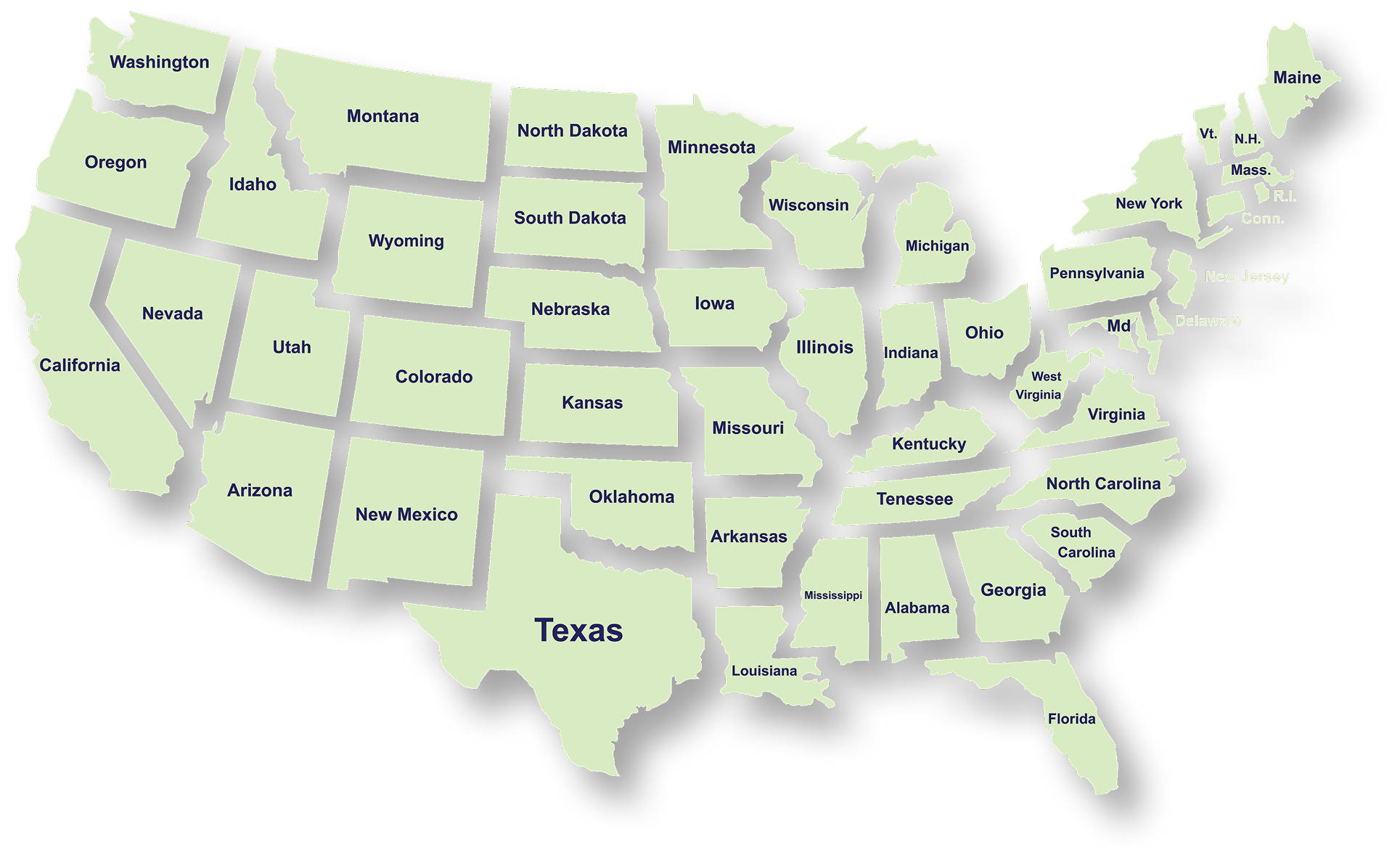
Serving Businesses & Individuals Across USA

We handle accounting, tax filing, and planning with defined timelines and accurate reporting for businesses and individuals across all states.

Frequently Asked Questions

What services does NR CPAs & Business Advisors provide?
What is tax planning and why is it important for businesses?
How can a Virtual CFO help my business?
When should a business consider IRS tax resolution services?
What financial statements does a business typically need?
How can startup advisory services help new businesses?
What is strategic business planning?
What is a Virtual Family Office and who can benefit from it?